





The Chinese-origin scientists who helped to hone America’s leading edge in defence
SOURCE: SCMP.COM
FEB 22, 2025

Published: 6:00am, 23 Feb 2025Updated: 6:16am, 23 Feb 2025
Despite the changing relationship between Washington and Beijing over the decades, the US defence industry has seen marked contributions from experts of Chinese heritage since at least the dawn of the nuclear age.
But rising competition between the two powers, along with a general anti-China sentiment in research and development, has narrowed the path into the US defence industry for Chinese-origin scientists in recent years.
A look through the awards lists for the Asian-American Engineer of the Year (AAEOY), an annual prize hosted by the Chinese Institute of Engineers USA, shows a rapid decline in the numbers of winners working in defence.
From the AAEOY’s inception in 2002, its winners were largely drawn from laboratories funded by the US Department of Energy (DOE), such as the Los Alamos National Laboratory, and defence contractors Lockheed Martin, Raytheon or Boeing.
More recently, most of the ethnically Chinese winners have come from commercial aerospace, telecommunications, or car and electronics manufacturing, while those affiliated with Los Alamos and Lockheed Martin have all but disappeared.
This sharp drop has coincided with China’s rapid transformation in military power – from hypersonic missiles to sixth-generation fighters – that is steadily shrinking the gap between the two countries.
The change in the defence industry could be a legacy of the China Initiative, which targeted scientists on national security grounds over suspected links to Beijing during President Donald Trump’s first term.
The initiative, which ran from 2018 until it was scrapped in 2022 by Joe Biden’s administration, led to an exodus of top researchers and declining enrolments from China in US higher education.
China is boldly going where no one has gone before
Here the South China Morning Post looks at some of the Chinese scientists, engineers and military experts whose contributions to the US defence industry built up its world-beating aerospace, missile, nuclear deterrent, and remote sensing capabilities.
From the development of the F-22 stealth fighter to its top-secret nuclear weapons programme, there were experts of Chinese heritage whose contributions sharpened the technological edge of US defence development throughout the modern age.
Los Alamos National Laboratory
Best known for its central role in the development of the first atomic bombs, this leading facility in New Mexico was established in 1943 as a top secret site for the Manhattan Project, led by Robert Oppenheimer.
In the ensuing decades, the laboratory has hosted a number of pioneering scientists who were either born in China or were ethnically Chinese.
Chien-Shiung Wu
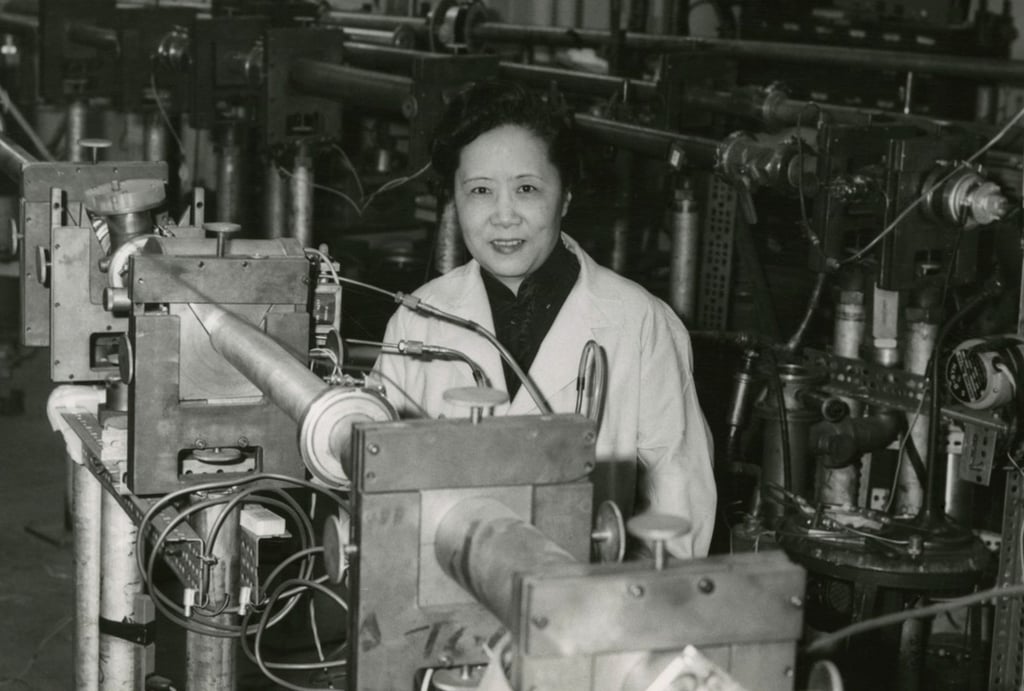
Chien-Shiung Wu (1912-1997) is believed to be the only person of Chinese origin to have worked on the Manhattan Project. Photo: Wikipedia
Los Alamos got its start as Project Y, one of a number of facilities involved in the Manhattan Project, which included a laboratory at Columbia University where Chien-Shiung Wu started working in 1944.
Known as the first lady of physics, Wu is believed to be the only person of Chinese heritage to have been involved in the Manhattan Project, helping to devise a process that produced bomb-grade uranium.
Oppenheimer is said to have affectionately referred to her as jiejie, which means elder sister. Wu’s many achievements over a long and distinguished career were recognised in January when China named a crater on the far side of the moon in her honour.
Paul Pan
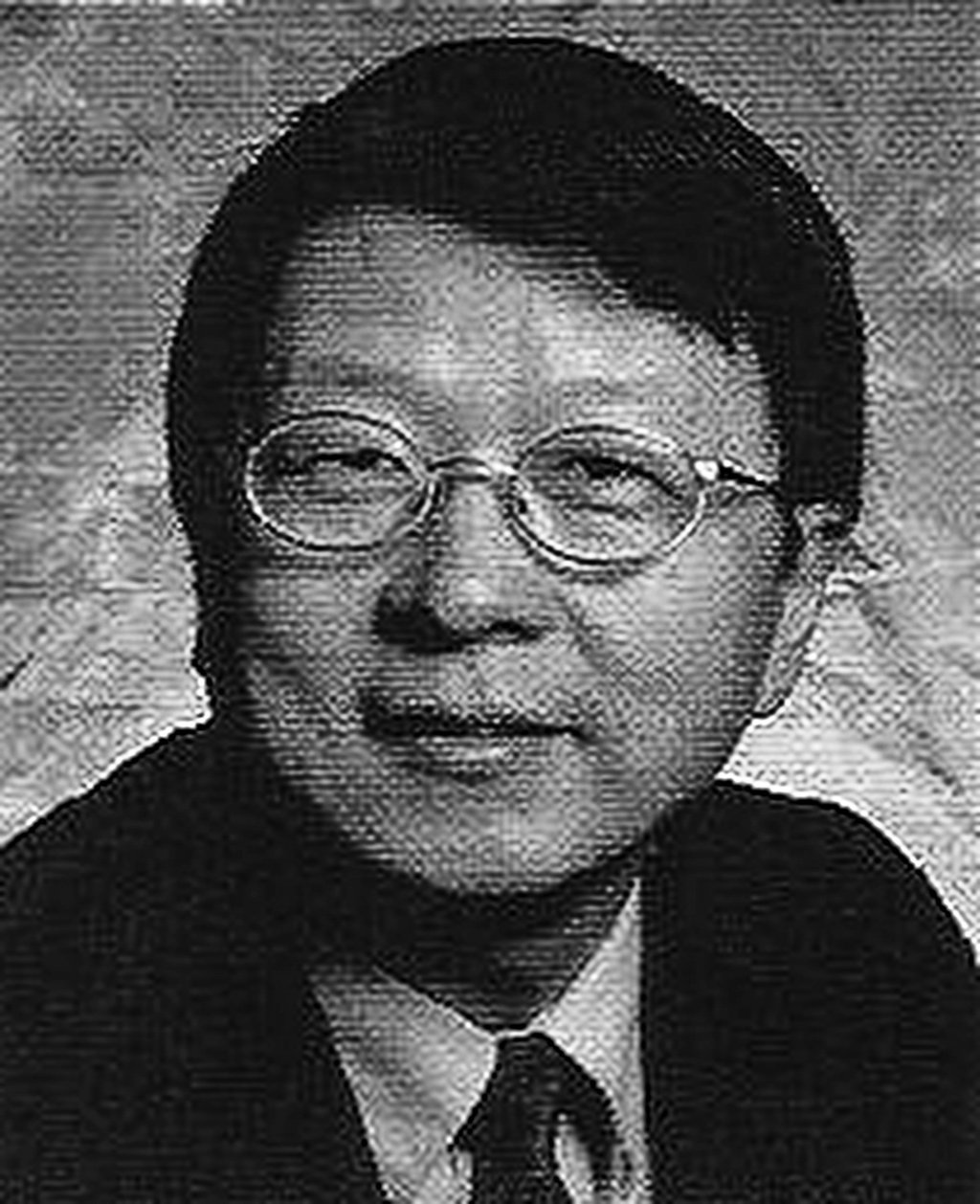
Paul Pan, whose work at Los Alamos earned him an award in the inaugural Asian-American Engineer of the Year ceremony of 2002. Photo: Handout
Nuclear engineer Paul Pan was recognised in the first AAEOY awards in 2002 for his vital role in the American nuclear stockpile stewardship programme, as team leader of air-carried weapons systems.
Pan started working at Los Alamos in 1980. He helped to design and develop nuclear weapon components, in addition to providing technical leadership for the two nuclear stockpiles held by the US.
He completed his bachelor’s in nuclear engineering at Beijing’s prestigious Tsinghua University in 1971 before moving to the United States to pursue postgraduate studies.
Zhao Yusheng
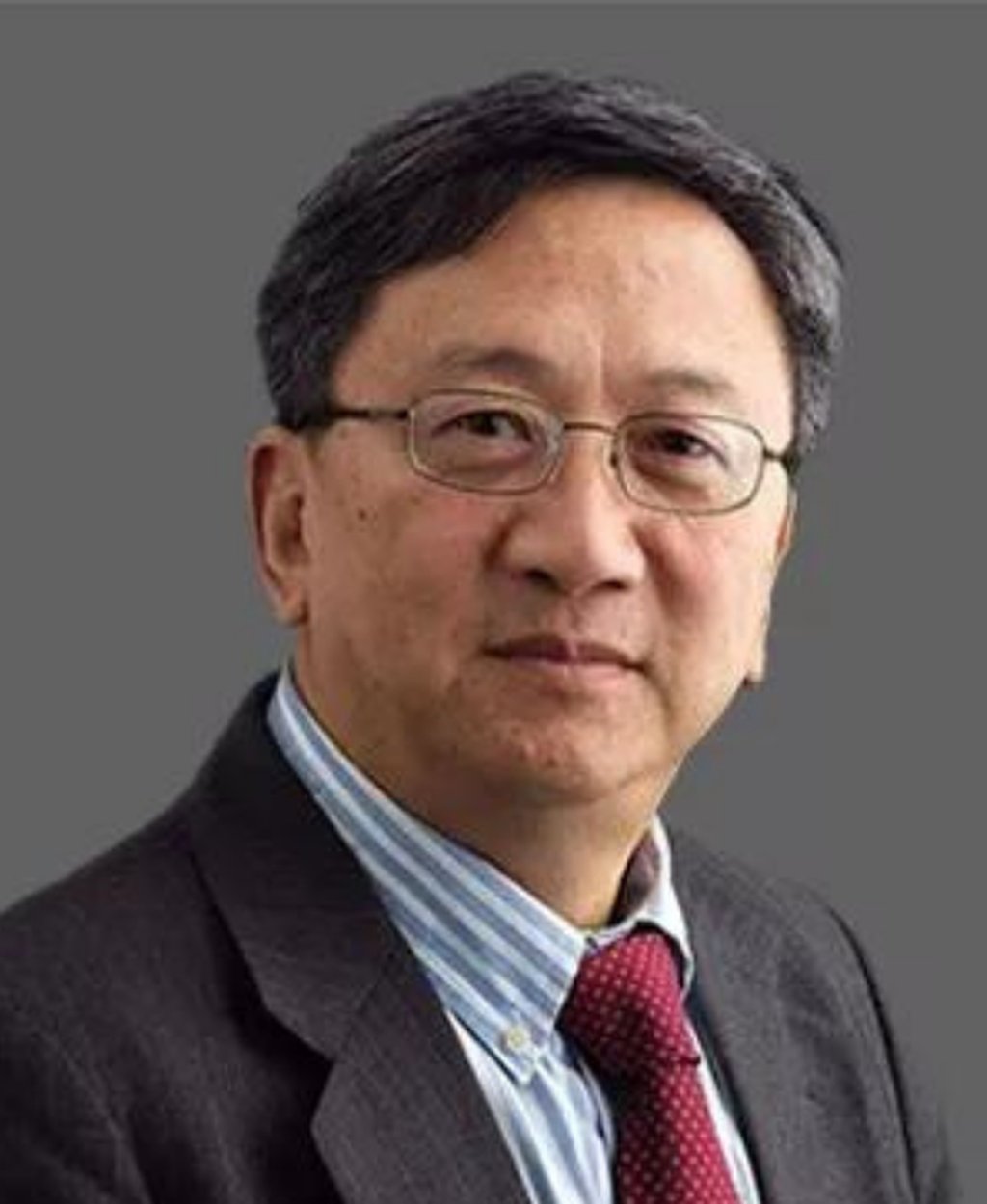
Physicist Zhao Yusheng, chair professor and senior adviser to the president at the Eastern Institute of Technology in Ningbo. Photo: Handout
During his more than 16 years at Los Alamos, Zhao Yusheng had top secret clearance and received US$19.8 million in government research funding for work that included research on deep-Earth penetrating warheads, according to a 2022 report by intelligence firm Strident Technologies.
Zhao left his position as senior scientist and team leader at the national laboratory’s Neutron Science Centre in 2012, moving to the University of Nevada. In 2015, he joined China’s Southern University of Science and Technology in Shenzhen, Guangdong province.
In so doing, he became a part of the “Los Alamos club” – one of the unknown number of scientists who have returned to China after working at the national laboratory in New Mexico and other key facilities in the US nuclear weapons programme.
In 2023, Zhao was named as a chair professor and senior adviser to the president at the Eastern Institute of Technology in Ningbo, in eastern China’s Zhejiang province.
Sandia National Laboratories
Established in 1949, Sandia is made up of a series of laboratories under the DOE’s National Nuclear Security Administration, mainly in New Mexico and California, researching nuclear deterrence, defence, and global security.
Tian Ma
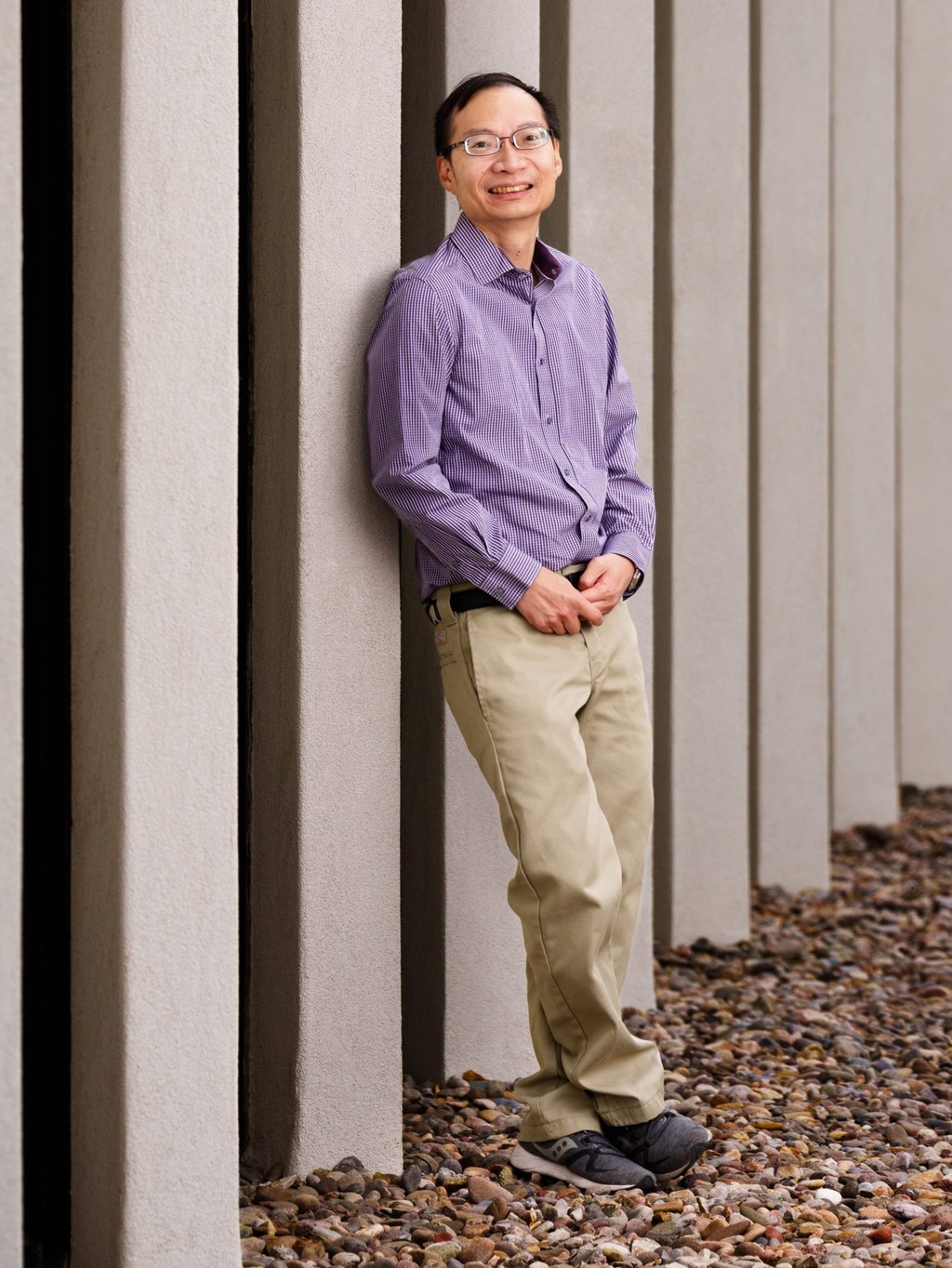
Sandia research and development computer engineer Tian Ma was recognised with Asian-American Engineer of the Year awards in 2016 and 2023. Photo: Handout
Born in Guangzhou in southern China, Tian Ma moved to the US as a child. He has worked at Sandia National Laboratories since 2003 and received national recognition for his expertise in creating detection algorithms and tracking systems.
He has developed a number of tracking algorithms for remote sensing systems under Sandia’s nuclear non-proliferation programme.
His work has helped US government agencies solve technical issues and pursue new remote sensing missions to enhance national security, according to Sandia.
Ma’s contributions were recognised by the AAEOY with awards in 2016 and 2023.
Bo Song
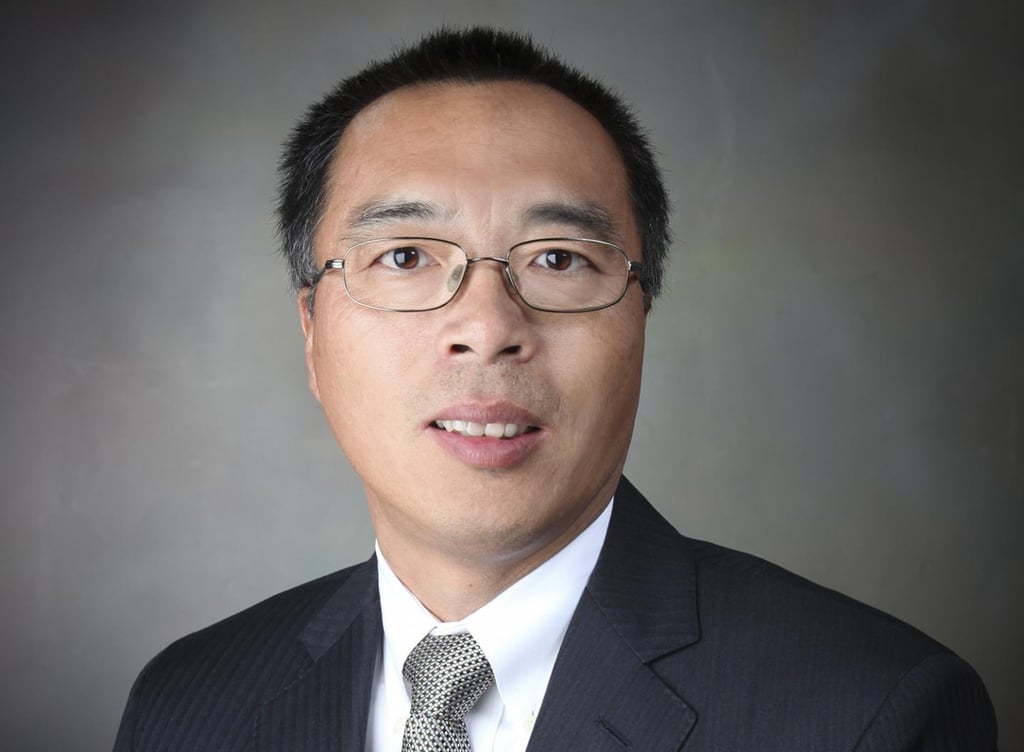
Sandia National Laboratories mechanical engineer Bo Song. Photo: Handout
Mechanical engineer Bo Song is a principal member of the technical staff at Sandia National Laboratories, where he has worked since 2008. He leads the Experimental Impact Mechanics Lab, which he built from a small storage room into a world-class facility.
The laboratory, which claims to be able to test the strength and impact properties of any solid natural or man-made material on Earth, mostly works on projects for nuclear deterrence programmes, global security, and sci-tech advancement.
A graduate of the University of Science and Technology of China, Song’s groundbreaking work has helped the university to become a top materials assessment facility for national security programmes and defence contractors, according to Sandia. Customers include the US Department of Defence and space agency Nasa.
Song was the only Chinese defence expert to win an AAEOY prize in 2021 – a combined award that also covered 2020, when the event was skipped because of the Covid-19 pandemic.
Lockheed Martin
The global security and aerospace company has been the US Navy’s prime contractor for its strategic missile programme since 1955. Its Fleet Ballistic Missile programme supports the submarine-based nuclear deterrence programme.
Tina Lim
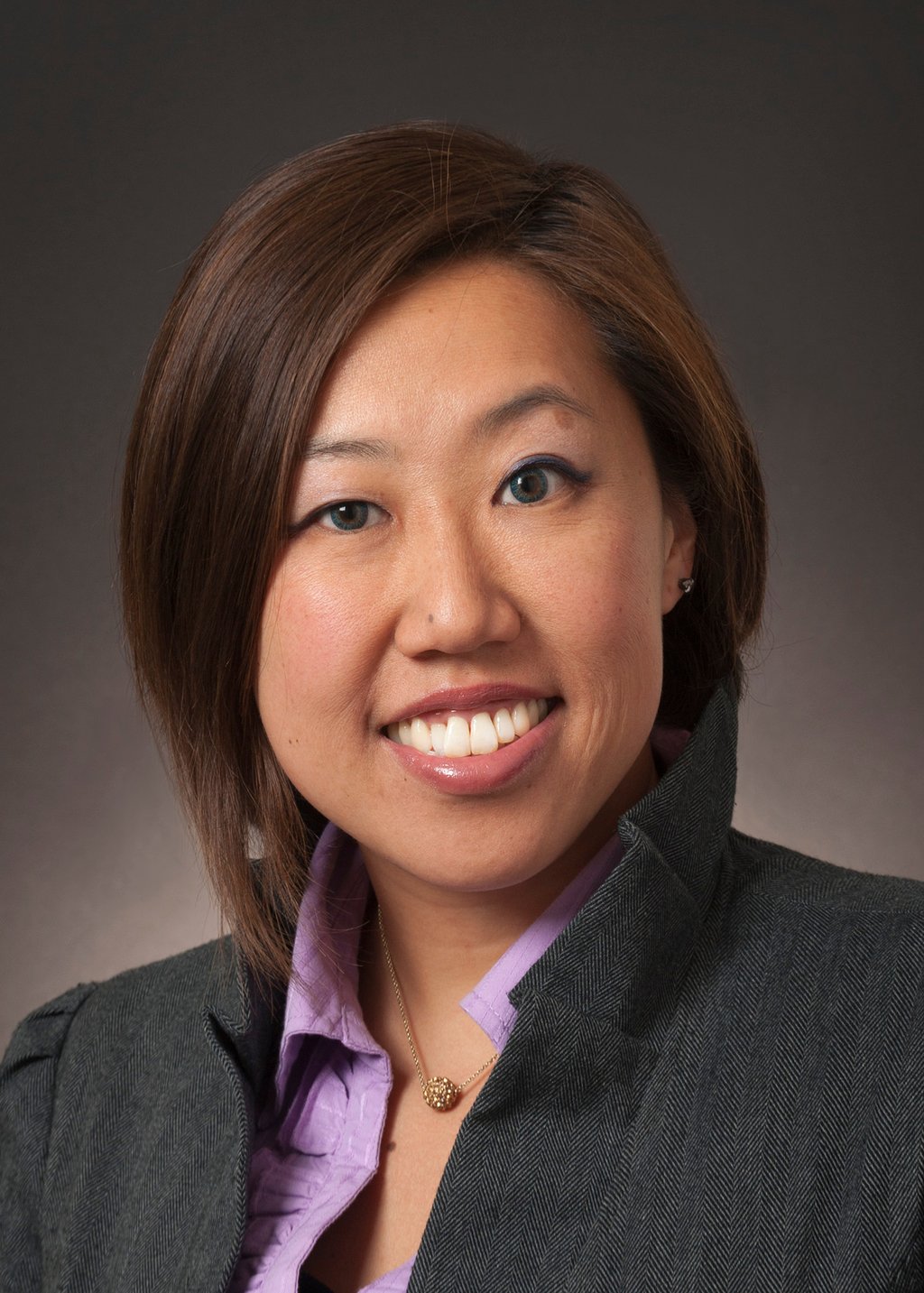
Tina Lim, systems engineer manager at aerospace and defence contractor Lockheed Martin, who was an Asian-American Engineer of the Year award winner in 2015. Photo: AAEOY
Early in her career as an aerospace engineer, Tina Lim contributed to the development of a US Space Force satellite system for secure communications between the armed forces of several nations.
Today, she is a systems engineer manager at Lockheed Martin, where she has worked on a number of projects since joining the company in 2002. These have included producing electronic hardware for missile test launches, as well as military space.
Lim, who moved to the US as a child, has also worked on the Fleet Ballistic Missile Programme for the US Navy, an important part of the country’s strategic deterrence. She led a team that created various electronic systems for the missiles.
She was an AAEOY winner in 2015.
Ambrose Kam

Lockheed Martin chief scientist Ambrose Kam has been with the US defence contractor since 2004. Photo: Handout
A Hong Kong-born engineer with decades of experience in the defence industry, Ambrose Kam is a chief scientist at Lockheed Martin, where he has worked since 2004 in a variety of roles.
Kam, who emigrated to the US as a teenager, previously worked for Raytheon, another major US defence contractor, where he led the modelling and simulation team for the AIM-9X short-range air-to-air missile and the Medium Extended Air Defence System.
The 2017 AAEOY award winner has also worked on designing network infrastructure for the US Air Force.
Boeing
As a leading global aerospace company, Boeing’s defence products and space systems have customers in more than 150 countries.
John Z. Lin

John Z. Lin’s work for Boeing has included contributions to the F-22 supersonic stealth fighter jet programme. Photo: Handout
From 2006 to 2012, John Z. Lin was the lead on developing stress methods and allowables for Boeing’s F-22 Raptor – the supersonic stealth aircraft that has been called one of the deadliest and most capable fighter jets in the world.
The twin-engined F-22 was designed as part of the US Air Force’s advanced tactical fighter programme alongside Lockheed Martin, as a critical part of projecting air dominance that “cannot be matched by any known or projected fighter aircraft”.
Lin – who won an AAEOY award last year and is listed on LinkedIn as a technical fellow at Boeing working on structures technology – completed his bachelors in Solid Mechanics at the University of Science and Technology of China before moving to the US for his doctorate.
Patty Chang-Chien

Patty Chang Chien, vice-president and general manager of Boeing Research & Technology. Photo: Handout
Named AAEOY executive of the year in 2023 for her role in the design of aerospace, Patty Chang-Chien is the vice-president and general manager of Boeing Research & Technology.
According to Boeing’s website, she oversees the development of cutting-edge technology for both commercial and defence applications, which includes managing more than 4,500 engineers at research centres in the US and around the world.
Chang-Chien, who joined Boeing in 2019, also manages billion-dollar research projects. Before Boeing, she worked at Northrop Grumman Aerospace Systems, a provider of aerospace services to the US military.
RTX Corporation
The American defence contractor was previously known as Raytheon and its name was changed in 2023 to reflect the merger with United Technologies Corporation.
Heidi Shyu

Heidi Shyu, a former US defence undersecretary for research and engineering, spent a large part of her career with the defence contractor now known as RTX Corporation. Photo: Handout
The 2024 recipient of the AAEOY’s distinguished lifetime achievement award served as the defence undersecretary for research and engineering in the Biden administration, but she spent a large part of her career at Raytheon.
Shyu, who was working at the defence contractor when she first received an AAEOY prize in 2004, was involved in a number of projects, including uncrewed and reconnaissance systems as well as radar technology and self-defence for missiles.
The Taipei-born engineer went on to oversee the activities of the Defence Advanced Research Projects Agency, which has played a role in the development of drones, global positioning systems or GPS, and stealth technology, according to her government profile.
In her role with the Biden administration, Shyu was the defence department’s chief technology officer, responsible for ensuring the US military’s technological superiority, it said.
Peter S. Pao
Named by the AAEOY as one its engineers of the year in 2003, Pao completed the F-15 all-weather fighter jet Advanced Fighter Capability Demonstration programme in 1981.
Following this feat, he was promoted to director and general manager of Raytheon’s F-15 programme in 1996. The defence contractor played a crucial role in developing radar and missile systems for the fighter jet.
Other important players
Jonathan A. Yuen

Retired US rear admiral Jonathan Yuen. Photo: Wikipedia
The retired US admiral Jonathan A. Yuen served as commander of logistics support for the Naval Supply Systems Command and chief of the Supply Corps from 2013 to 2018, leading more than 28,000 military and civilian professionals and managing a US$33 billion inventory.
Yuen, the grandson of Chinese immigrants, won a host of service awards in more than 35 years as a Supply Corps officer from 1983 to 2018, which saw him complete a variety of assignments around the world. He was also named AAEOY executive of the year in 2013.
Chyau Shen
When he received the 2014 AAEOY award, Chyau Shen was director of special surveillance programmes at the US Naval Air Systems Command, where he managed rapid response technology insertion and remote surveillance for the Defence Department.
Shen, who emigrated to the US as a teenager, developed rapid response solutions for intelligence and surveillance applications, integrating them into affordable systems that have been deployed in combat zones.
FOLLOW
Prior to joining SCMP in 2023, Victoria received her Bachelor’s degrees in Environmental Health and Environmental Studies from the University of Rochester
LATEST NEWS

Machine Learning
Infrared Fingerprints and AI Reveal How Herbal Medicine Processing Changes Chemistry
OCT 13, 2026

Machine Learning
Scaleway and Dataiku Partner to Help Businesses Build and Deploy AI in Europe
OCT 13, 2026
Quantum Computing
Quantum Computing Components: How Rare Earth Elements Shape the Hardware Stack
OCT 13, 2026
WHAT'S TRENDING

Data Science
5 Imaginative Data Science Projects That Can Make Your Portfolio Stand Out
OCT 05, 2022


Similar articles you can read

Ukraine’s Science Under Fire: Russia Is Targeting Knowledge, People and the Future
SOURCE: KYIVPOST.COM
OCT 04, 2026

‘Science-based approach essential to address environmental hazards’
SOURCE: TEHRANTIMES.COM
SEP 27, 2026

A giant cosmic 'fart' is making a wobbling zombie star repeatedly flash us, 'groundbreaking' observations reveal
SOURCE: LIVESCIENCE.COM
SEP 27, 2026

Bar Harbor Parents Again Raise Concerns About Science Education In Sixth Grade.
SOURCE: BARHARBORSTORY.COM
SEP 19, 2026


