





Iran medicine shortages deepen as war, shipping restrictions continue
SOURCE: SCMP.COM
SEP 19, 2026

Published: 5:30pm, 19 Sep 2026
For Ali Mohseni, the impact of the ongoing US-Israeli war against Iran is measured not in missile ranges or battlefield maps, but in the insulin pens his 74-year-old mother needs every day.
Before the conflict, the Tehran resident said, a five-pack of insulin pens could usually be found at almost any pharmacy, but the price has since more than tripled, while supplies have become so scarce that he sometimes has to visit several pharmacies to find them.
“She cannot simply stop taking it,” Mohseni, 32, said. “Insulin is an essential, life-sustaining medication for her.”
Medicine shortages have become an increasingly serious problem for ordinary Iranians, as maritime shipping disruptions, sanctions, inflation, the weakening rial and direct damage to Iran’s pharmaceutical sector strain the country’s drug supply.
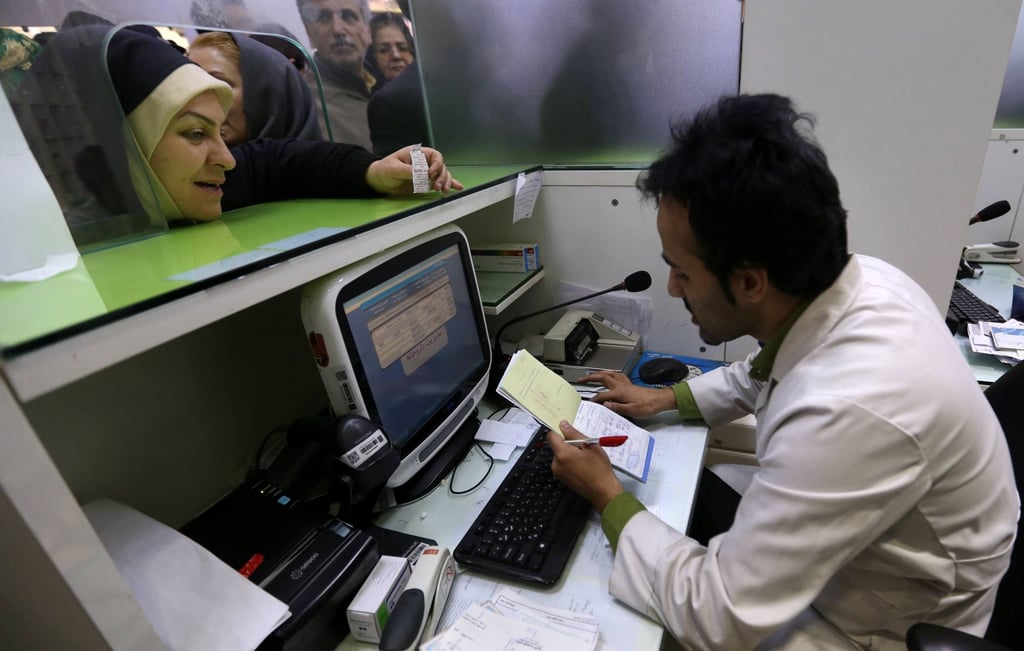
Iranians wait to get prescription medicines in Tehran during the Covid-19 pandemic. The current war is also hampering the sourcing of their drugs. Photo: AFP
Health Minister Mohammad Reza Zafarghandi has said that 16 pharmaceutical factories and more than 70 hospitals have been attacked since the war began, describing the strikes as violations of humanitarian rules.
Among those affected was Tofigh Daru Research and Engineering Company, a Tehran-based company that produces active pharmaceutical ingredients, or APIs, used in medicines including treatments for cancer and multiple sclerosis.
According to the company, three missiles struck its main building on March 31, damaging laboratories, a data centre, production facilities and storage areas.
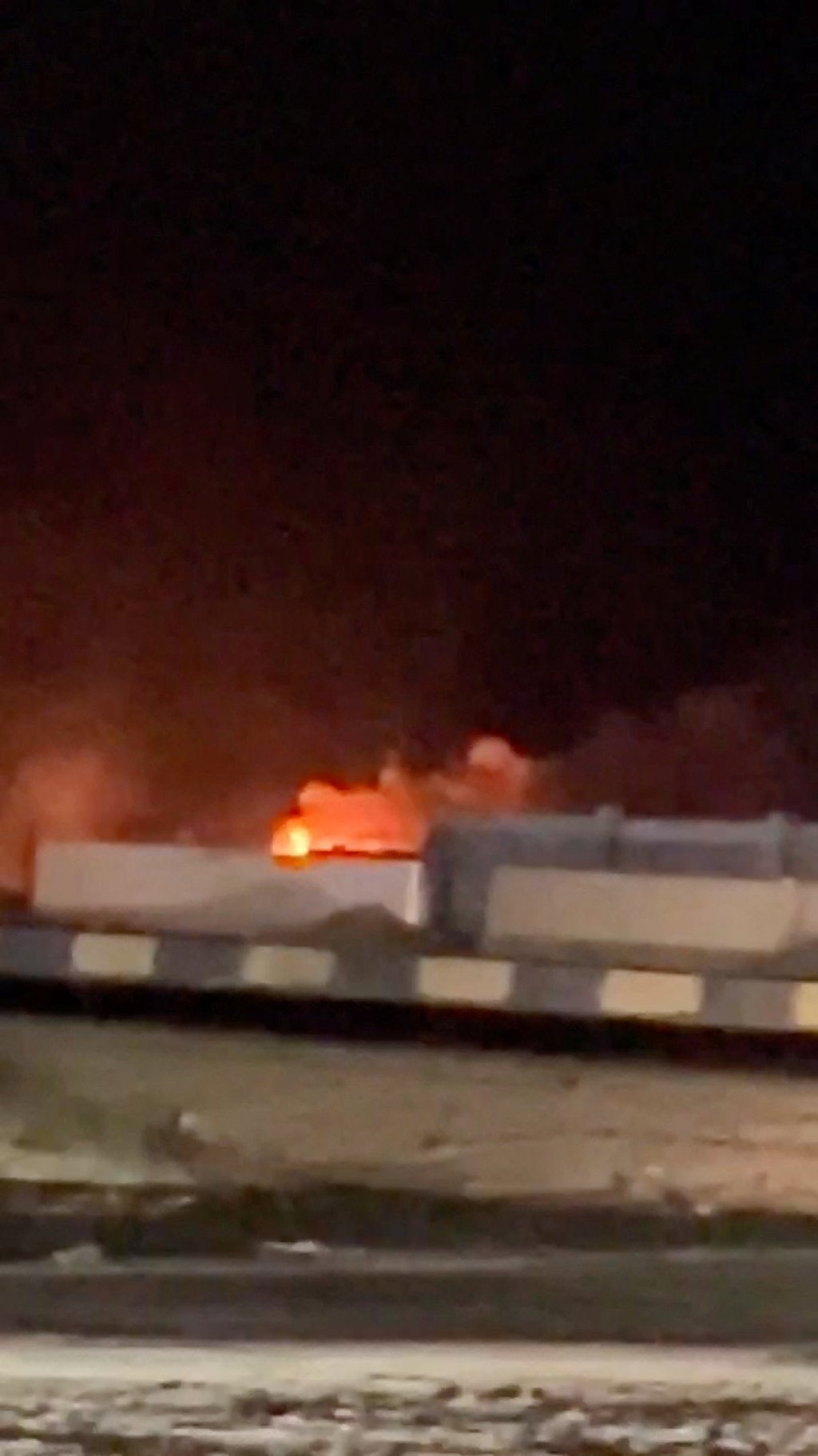
Smoke and flames rise in Chabahar, Iran after explosions in July. The nation was first attacked by the US and Israel in February. Photo: Social media via Reuters
Navid Nobakht, chief executive officer of Tofigh Daru, said he believed the attack was intended to disrupt production of specialised medicines and create shortages for patients who depend on them.
The company had no military function, he said. “We just produced medicines for the patients.”
It managed to produce the same medications in “some other places” in the end, he said, while admitting the company had faced many difficulties in the past months.
The strain on medicine supplies has been compounded by shipping restrictions and maritime trade disruptions.
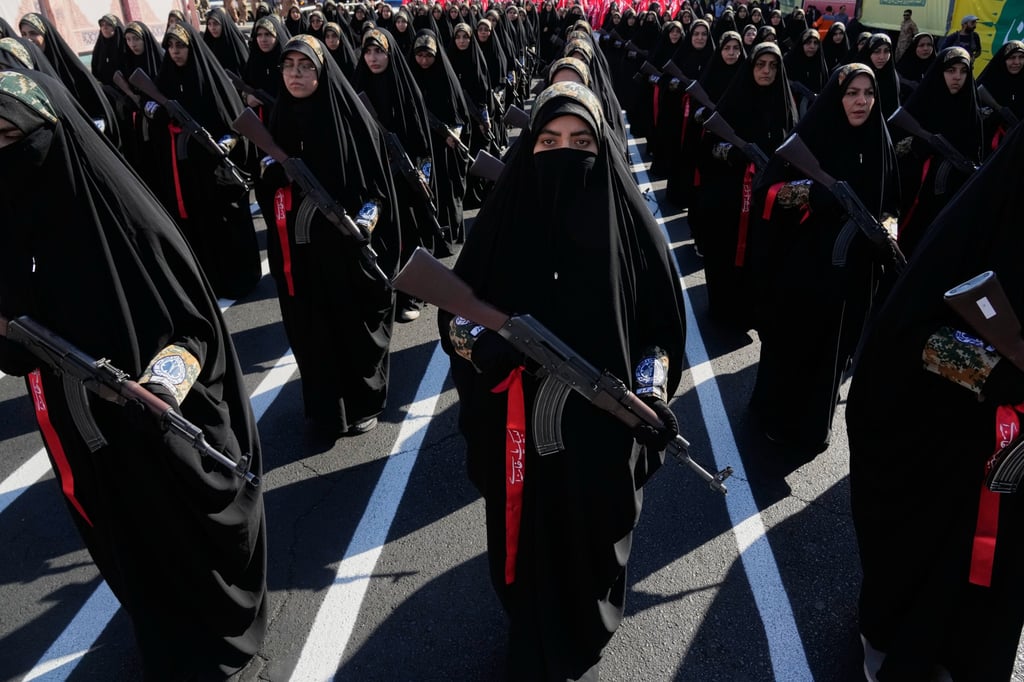
Women affiliated with Iran’s Revolutionary Guard stand during a military-style parade in Tehran, Iran, on Friday. Photo: AP
Iranian officials say the US naval blockade and wider wartime conditions have made it more difficult to bring pharmaceutical raw materials into the country, particularly from major suppliers such as India and China.
Although medicines and humanitarian goods are formally exempt from many sanctions, Iranian companies struggle to transfer money to foreign suppliers, obtain insurance, and arrange shipments.
Zafarghandi said India has not sent pharmaceutical raw materials to Iran by sea during the war, forcing Iran to rely more heavily on air freight.
From a humanitarian perspective, it is deeply distressing to see people placed in such a situation
Ali Mohseni, a 32-year-old Tehran resident whose mother is diabetic
According to the minister, one cargo ship can carry several thousand tons of pharmaceutical raw materials, while an aircraft can transport only around 20 to 40 tons. As a result, the amount of material entering the country has fallen sharply, while transport costs have risen.
In addition, inflation and the depreciation of the Iranian rial have increased the cost of imported raw materials, equipment, packaging and transport, squeezing manufacturers, distributors, pharmacies and ultimately patients.
Cancer patients, people with diabetes, the elderly and families caring for chronically ill relatives are feared to be affected when medicine becomes unavailable or too expensive – a situation that Mohseni finds the hardest to accept.
“From a humanitarian perspective, it is deeply distressing to see people placed in such a situation,” he said.
As fighting between Iran and the United States continues, Mohseni said he hoped Iranian officials would prioritise negotiations and take steps to restore normal life.
“Ordinary people should not have to pay the price for political conflicts,” he said.
“We simply want to be able to live normal lives.”
LATEST NEWS

Computer Vision
Dual-Stream AI Combines Compression Clues and Deep Vision to Expose Doctored Images
OCT 10, 2026


WHAT'S TRENDING
Data Science
5 Imaginative Data Science Projects That Can Make Your Portfolio Stand Out
OCT 05, 2022


Similar articles you can read


The hidden risks of using traditional Chinese medicine with Western prescriptions
SOURCE: SCMP.COM
SEP 27, 2026

Nasal spray brings pain relief for children treated in the emergency department
SOURCE: MEDICALXPRESS.COM
SEP 27, 2026

WHO Flags Six Essential Childhood Cancer Medicines Facing Critical Access Gaps
SOURCE: ONCODAILY.COM
SEP 19, 2026

Illinois alerts more than 700,000 people they will or could lose public health insurance
SOURCE: WBEZ.ORG
SEP 11, 2026

Novel Agents Reshape Sequencing Across Different Lymphoma Populations
SOURCE: CANCERNETWORK.COM
SEP 11, 2026

The importance of indoor airflow patterns in spreading airborne disease
SOURCE: NEWS.MIT.EDU
AUG 21, 2026