





Medical AI is already in hospitals, but most of the devices haven’t been properly tested
SOURCE: AOL.COM
OCT 05, 2026
For Years, People Have Worried Their Devices Were Listening. Apple Just Made It a Feature
SOURCE: INC.COM
SEP 11, 2026

EXPERT OPINION BY JASON ATEN, TECH COLUMNIST @JASONATEN
Sep 11, 2026
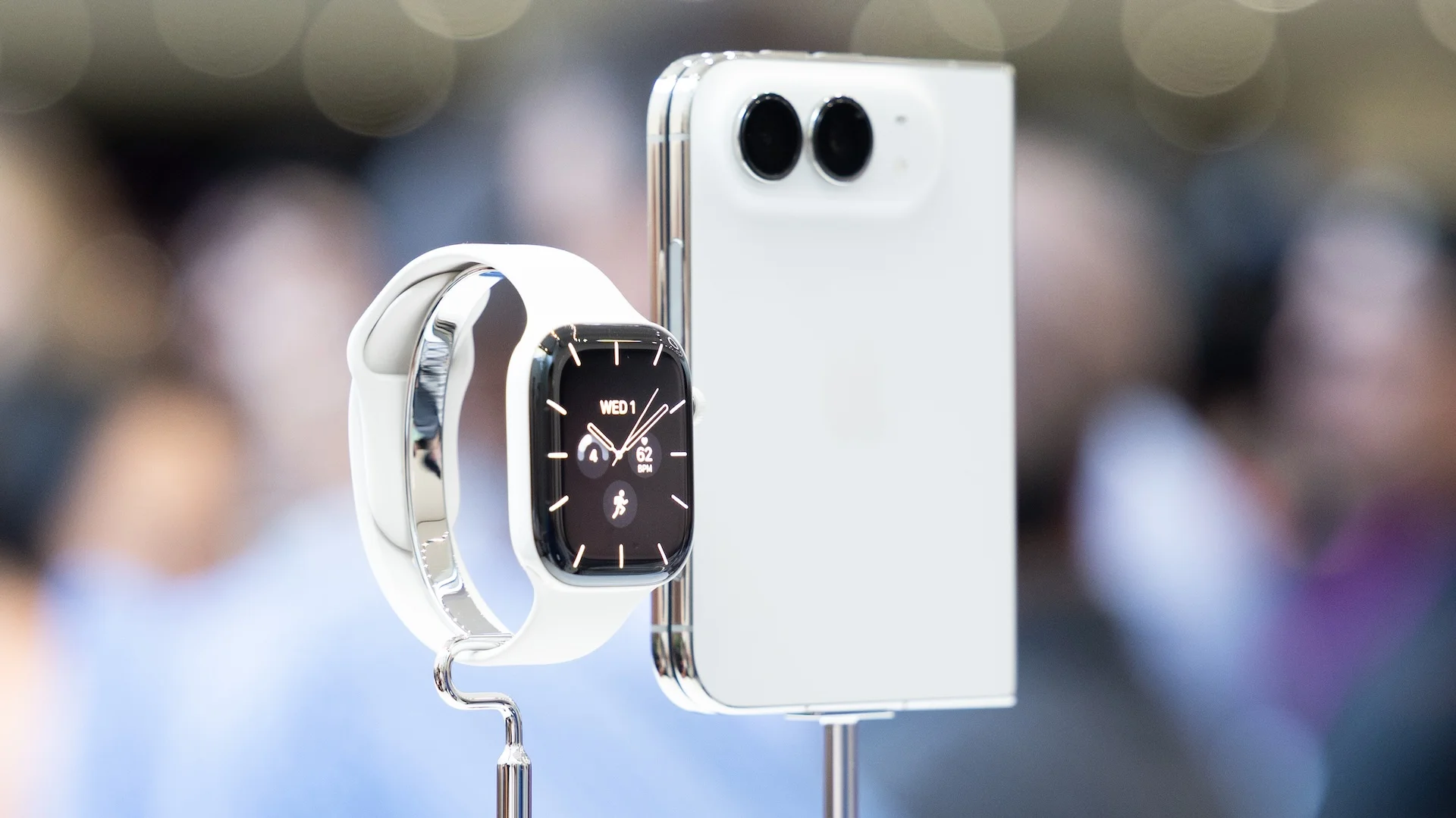
CUPERTINO, CALIFORNIA – SEPTEMBER 9: An Apple Watch series 12 and iPhone Duo are displayed at Apple’s “Surprise and Shine” event at the company’s corporate headquarters, Apple Park, on September 9, 2026 in Cupertino, California. The event featured Apple product announcements and was Apple CEO John Ternus’s first keynote address in his new role. (Photo by Benjamin Fanjoy/Getty Images)
It’s surprisingly hard to convince some people that their devices aren’t listening to them. I understand it seems like it when Instagram just showed you an ad for something you were talking about with your sister or friend. Obviously, the only way that’s possible is that your iPhone heard your conversation, sent the information to Instagram, and you saw the ad.
Never mind that the best argument against this is that if your iPhone were listening to you, the last thing Apple would ever do is send your information to Instagram. Apple has actively worked to make it harder for Instagram to track what you do on your iPhone and has said it believes privacy is a “fundamental human right.”
Apple has, over the years, done a lot to dispel the idea that its devices are always listening, even adding little icons to your devices to indicate when the camera or microphone are active. Still, people are convinced that their devices are always listening no matter how many times you try to tell them otherwise.
Now, it just got a lot harder.
One of the most consequential announcements Apple made this week wasn’t about a folding iPhone or a new camera with physical aperture blades. It was about a new Apple Watch feature called Audio Intelligence. Actually, it’s two different features that take advantage of the fact that you always have your Apple Watch with you.
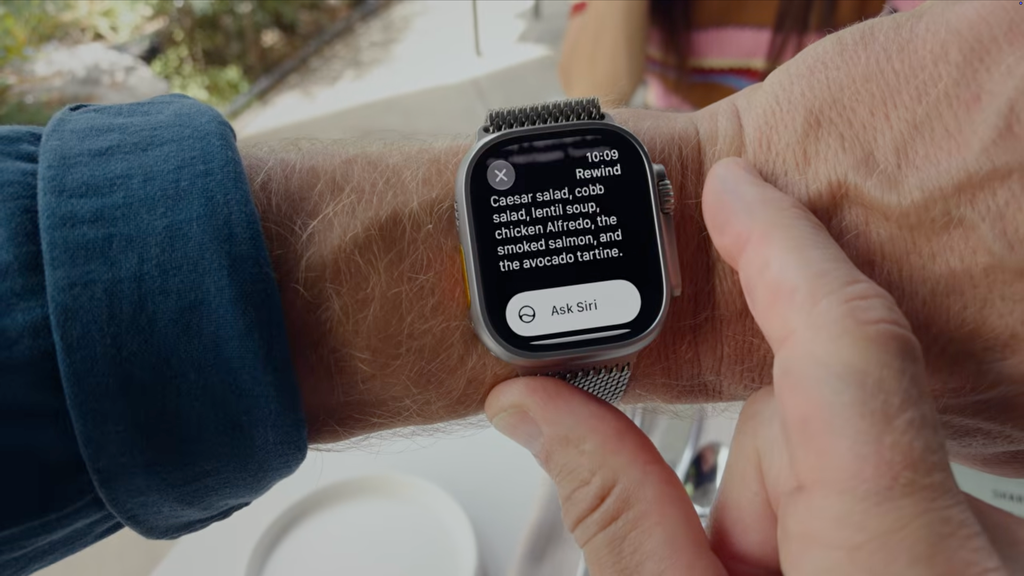
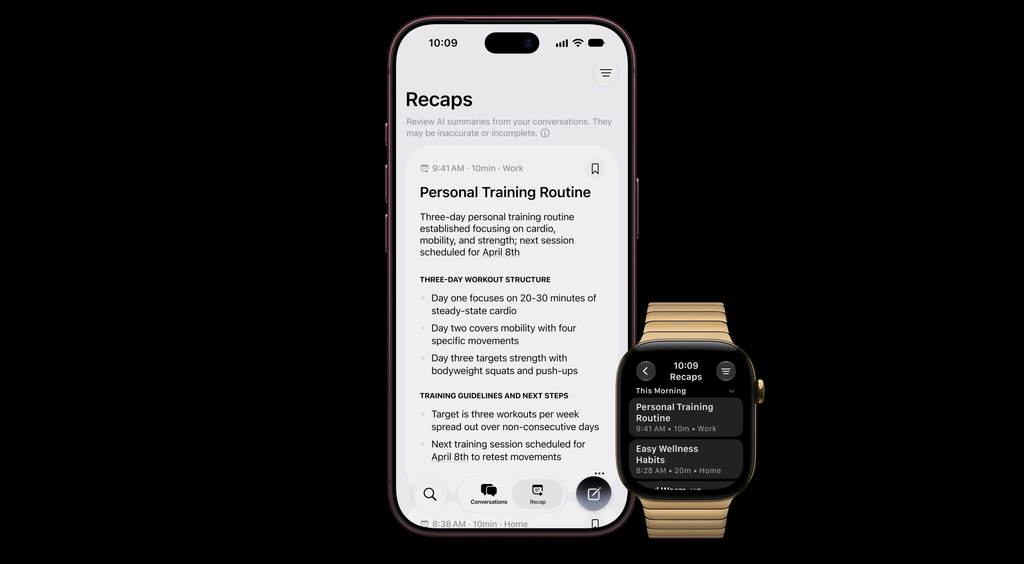
The first feature, called Live Rewind, lets you double-press the Digital Crown on your Apple Watch Series 12 or Ultra 4 and see a summary of audio from the previous 15 seconds. The other, called Siri Recap, listens to your conversations or meetings and provides a summary on your iPhone.
There are two very important points to be made before I share why I think this is a huge problem, and a massive miss by Apple. The first is that this is going to be incredibly useful. The number of times I wished I had a way to recall a conversation or even just a passing comment is embarrassing to admit. I’m terrible at remembering things unless I write them down. It would be incredible to have my Apple Watch basically doing that all the time.
I have made the point many times that your Apple Watch is the perfect form factor for an AI device since you have it with you all the time. Even in situations where you don’t have quick access to your iPhone, your Watch is right there on your wrist.
The other point I should make is that Apple is—without question—the only company that most people would trust to make a feature like this. Apple’s commitment to privacy means that they designed this feature with important boundaries. For example, there are no recordings created or stored. Live Rewind caches a short buffer that is deleted on a rolling basis if you don’t request a summary.
Both features work with the Secure Exclave, a part of the system-on-a-chip that isn’t accessible by other software, even the OS. For Siri Recap, the Watch detects speech and buffers, but transcription and condensation happen on the iPhone, and summarization happens in Private Cloud Compute.
But there is a huge problem, which is that you can talk about privacy all you want, but I think it’s underestimated how much we live our lives with the understanding that most of what we say is “off the record.” That doesn’t mean people don’t hold you to what you say, but most of those people aren’t using recording devices or other technology to provide them with a readout of what you said.
Maybe we don’t think about it explicitly, but we mostly feel free to have conversations without giving a thought to the idea that they might be recorded or reported back to us, or—for that matter—someone else. Sure, anyone you talk to could relay your conversation to someone else. If you make an insensitive comment about your boss to a colleague, there’s always a chance that they will pass it along to people you never intended. But there’s a social friction involved with it all that governs most of our relationships. These features completely alter that dynamic by using technology to eliminate that friction.
Doing all of this in a privacy-protecting way doesn’t change the fact that it’s a massive shift in the way people will perceive simple conversations. Apple can talk about how there are no recordings accessible to anyone (including Apple) and publish PDFs about the privacy protections, but most people just hear “yada, yada, yada, you’re recording me.” Even if that isn’t technically correct, that’s the dynamic that will accompany every conversation you have from now on. I’m not sure any of us are ready for a world where listening devices become ubiquitous and are normalized—even if they provide real utility.
Look, I already said that I think this will be incredibly useful, but that doesn’t make it a good idea. I’m also not sure Apple has counted the cost associated with a feature that requires this much explanation to reassure people’s privacy concerns. Finally, I’m not sure how I’m going to explain to people that their iPhone isn’t listening to them when it turns out their friend or colleague’s Apple Watch may be doing exactly that.
LATEST NEWS

Computer Vision
Dual-Stream AI Combines Compression Clues and Deep Vision to Expose Doctored Images
OCT 10, 2026


WHAT'S TRENDING

Data Science
5 Imaginative Data Science Projects That Can Make Your Portfolio Stand Out
OCT 05, 2022


SOURCE: AOL.COM
OCT 05, 2026

SOURCE: MANILASTANDARD.NET
OCT 05, 2026

SOURCE: STORYBOARD18.COM
SEP 27, 2026


SOURCE: NINTENDOWIRE.COM
SEP 11, 2026

SOURCE: BUSINESSWIRE.COM
SEP 04, 2026
