






ChatGPT Sites hosts your website in public beta, with no data residency at launch
SOURCE: MIXED-NEWS.COM
OCT 04, 2026
ChatGPT-6 Astra cracks 108-year-old unsolved WWI German code for the first time — radio message sharing enemy movement intelligence had evaded decoding, 1918 Crimean fleet warning verified against HMS
SOURCE: TOMSHARDWARE.COM
SEP 19, 2026

By Mark Tyson
The decoded and message alerts German military forces of the movements of an English cruiser and an Allied squadron near Crimea.
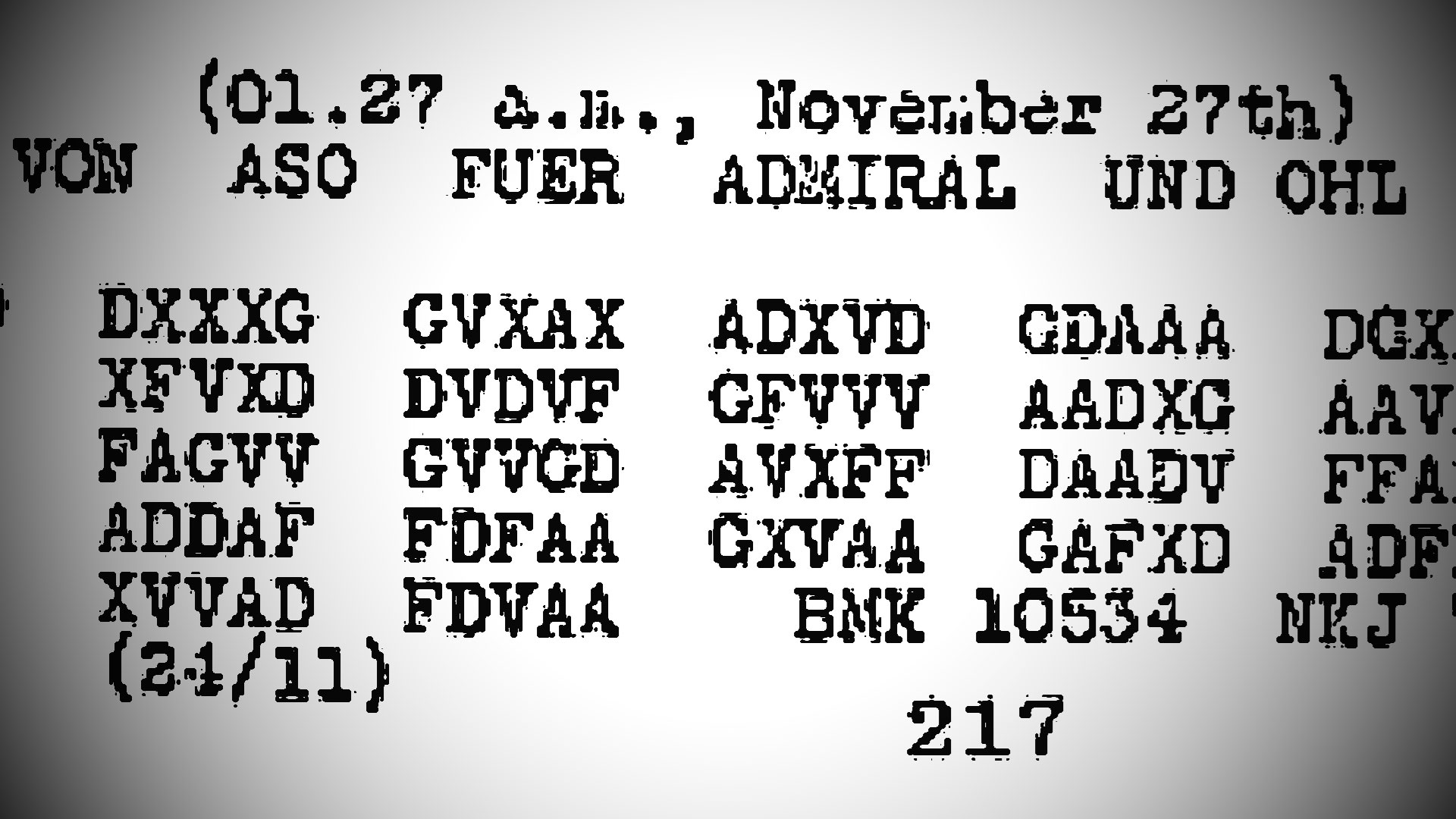
(Image credit: scienceblogs.de)
Share this article
Join the conversation
Add us as a preferred source on Google
Newsletter
Subscribe to our newsletter
Now 108 years after its transmission, an encrypted World War I German radio message has apparently been deciphered for the first time. The decoded and translated message relays information about the movements of an English cruiser and an Allied squadron near the Crimean Peninsula. Prinz, the developer who reckons they successfully decoded this covert WWI communication, used GPT-Astra to solve the cipher.
Go deeper with TH Premium: AI shortages

Prinz picked the code from a relatively famous list of 50 unsolved ciphers maintained by the German science blogging portal Scienceblogs.de. It was known to be “encoded using the ADFGVX method,” says the developer on their Substack.
Addressed to the German High Command and for the attention of an admiral or perhaps Naval Command, the ciphered message looks like gobbledygook, surely as intended. The German military at the time used a convoluted grid of letters that shuffled depending on the current keyword.
Latest Videos FromTom's Hardware
Watch full video here: How to change your mouse pointer in Windows 11 & 10
See more
Astra solved the cipher using the word “TRUPPENVERSCHIEBUNG” as the key. This resulted in the decoded message: “EIN ENGLISCHER KREUZER EINLIEG X SEWASTOPOL X S4STEN X EIN GESCHWADER DER X ALLIIERTEN FOLGT 26STEN X.” Translated into English, we can at last understand that the radio message was the following alert: “AN ENGLISH CRUISER ARRIVED AT SEVASTOPOL ON THE ?4TH AN ALLIED SQUADRON FOLLOWS ON THE 26TH."
Astra also checked its work against military logs. The details about the cruiser’s arrival time aligned with the arrival of the British cruiser HMS Canterbury in Sevastopol, Crimea, on November 24, 1918. So the ‘?’ was perhaps a typo made in transmission. However, the Allied squadron's arrival date was spot on (November 26), according to the historical records Prinz checked.
You may like

GPT-Astra hypothesizes that previous attempts to decipher this German message failed because code sleuths made an incorrect assumption. Before this decoding feat, it was thought that the keyword “TRUPPENVERSCHIEBUNG” was used only as a key starting December 9, 1918. Remember, this message was transmitted on November 29 of that year.
This codebreaking feat is a cool result and a good example of Astra’s flexible problem-solving capabilities.
Stay On the Cutting Edge: Get the Tom's Hardware Newsletter
Get Tom's Hardware's best news and in-depth reviews, straight to your inbox.
Contact me with news and offers from other Future brandsReceive email from us on behalf of our trusted partners or sponsorsBy submitting your information you agree to the Terms & Conditions and Privacy Policy and are aged 16 or over.

Follow Tom's Hardware on Google News, or add us as a preferred source, to get our latest news, analysis, & reviews in your feeds.
TOPICS

News Editor
Mark Tyson is a news editor at Tom's Hardware. He enjoys covering the full breadth of PC tech; from business and semiconductor design to products approaching the edge of reason.
LATEST NEWS


WHAT'S TRENDING

Data Science
5 Imaginative Data Science Projects That Can Make Your Portfolio Stand Out
OCT 05, 2022


SOURCE: MIXED-NEWS.COM
OCT 04, 2026


SOURCE: NOTEBOOKCHECK.NET
SEP 27, 2026

SOURCE: FORTUNE.COM
SEP 27, 2026


SOURCE: THEGUARDIAN.COM
SEP 11, 2026

